Enzyme Synthesis Definition
Enzyme Synthesis Definition. O information for the synthesis of enzyme is carried by dna. Enzyme activities vary in response to changes in ph, temperature, and the concentrations of substrates or products, but also can be controlled by covalent modifications of the protein or by interactions with activators or inhibitors.
 Enzymes Definition, Classification & Functions from ibiologia.com
Enzymes are not always found uniformly within a cell; It operates an anabolic synthesis Jump to navigation jump to search.
(a few ribonucleoprotein enzymes have been discovered and, for some of these, the catalytic activity is in the rna part rather than the protein part. Some enzymes are not produced by certain cells, and others are formed only when required.

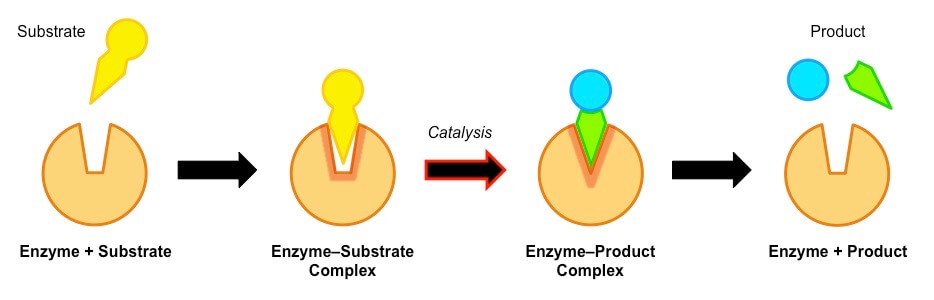
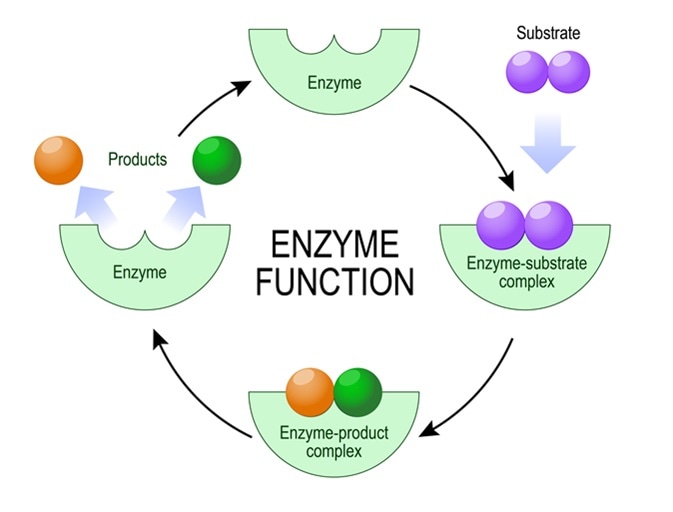
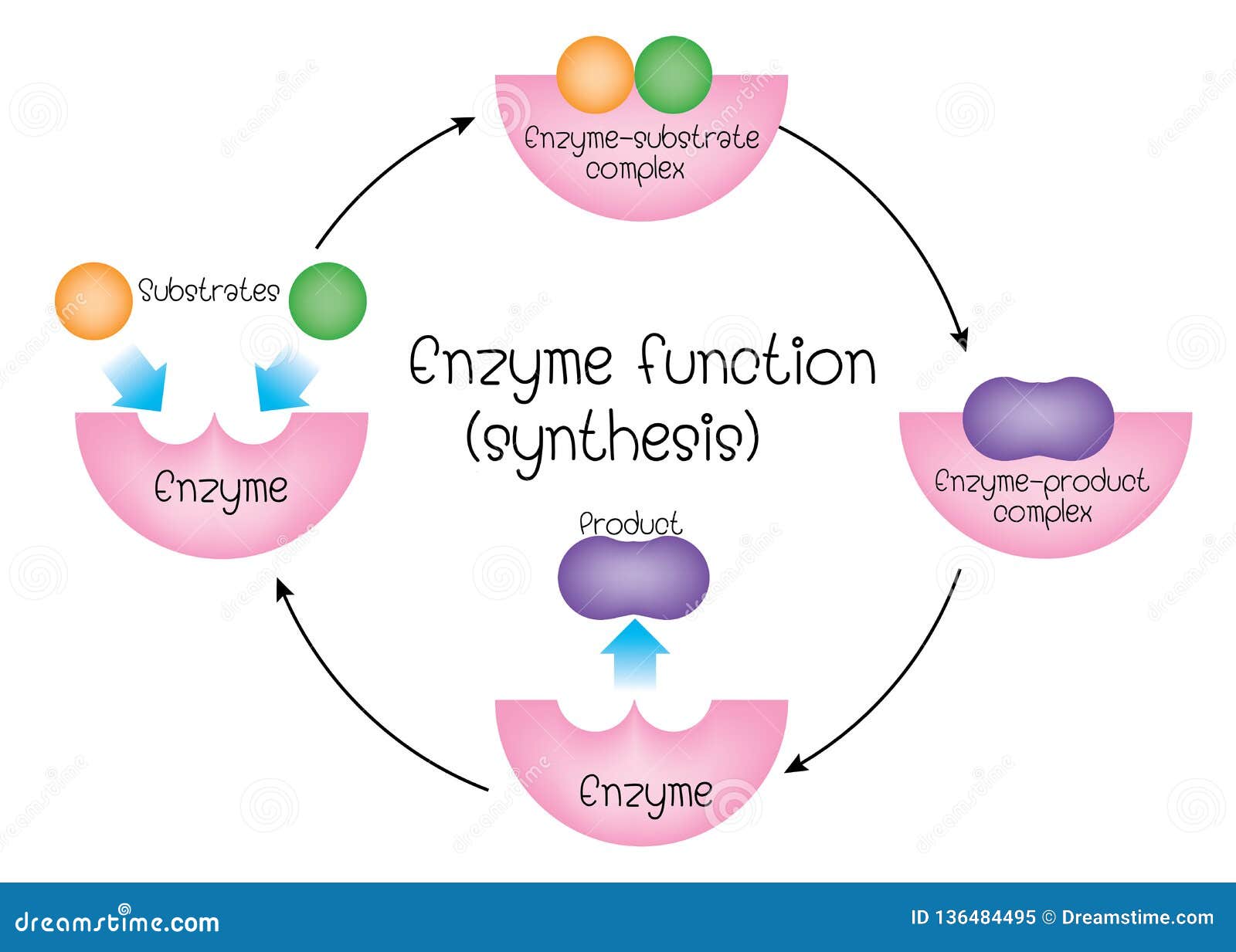
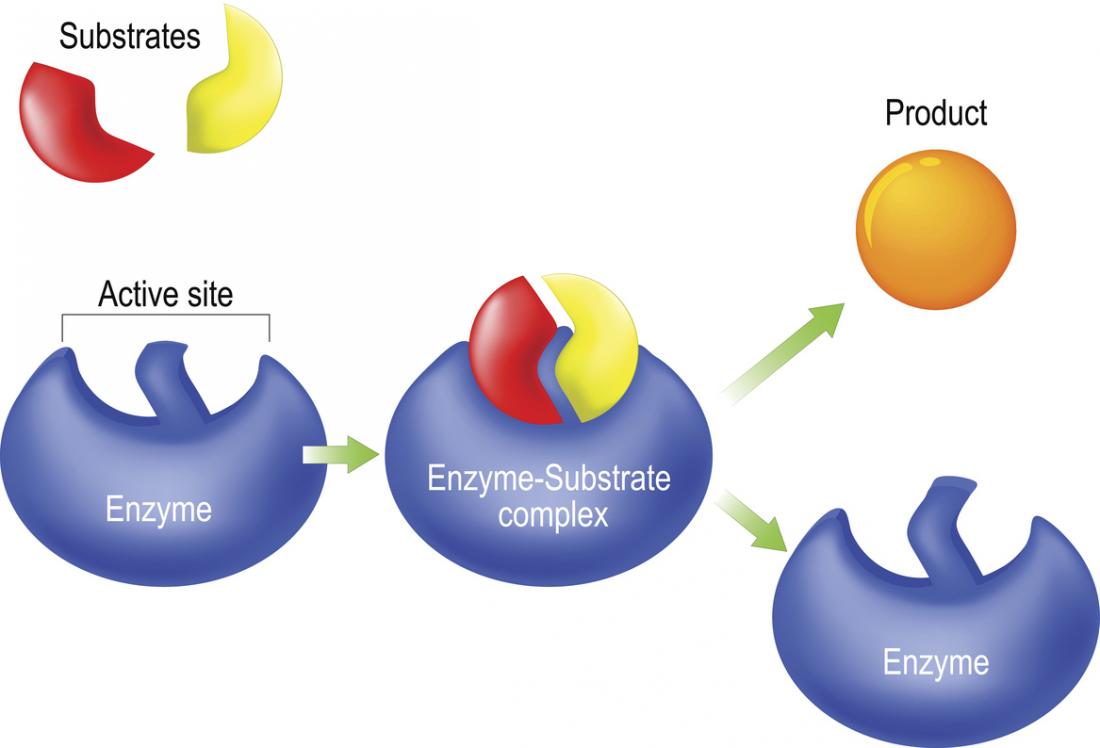
Process where substrates are converted into more complex products in living organisms. Enzymes are catalysts.most are proteins.
Enzymes are not always found uniformly within a cell; Have a single rna polymerase.

Enzyme activities vary in response to changes in ph, temperature, and the concentrations of substrates or products, but also can be controlled by covalent modifications of the protein or by interactions with activators or inhibitors. It operates an anabolic synthesis
It is the second part of the central dogma in genetics. Enzymes are responsible for the movement of ions across the plasma membrane.
Transcription and translation mechanisms within the cells produce an enzyme. Dehydration synthesis involves the removal of a water molecule (h2o) from the two amino acids that are to be linked together.

Transcription is the process of creating an mrna template from dna, which encodes the sequence of amino acids in the form of a trinucleotide code and serves as a template. Under the original definition, synthases do not use energy from nucleoside triphosphates (such as atp, gtp, ctp, ttp, and utp), whereas synthetases do use nucleoside triphosphates.
Enzymes synthesis inhibited by the addition of corepressor molecules are termed as repressible enzymes: An enzyme's amino acid sequence is determined by a specific gene in the cell's nucleus.
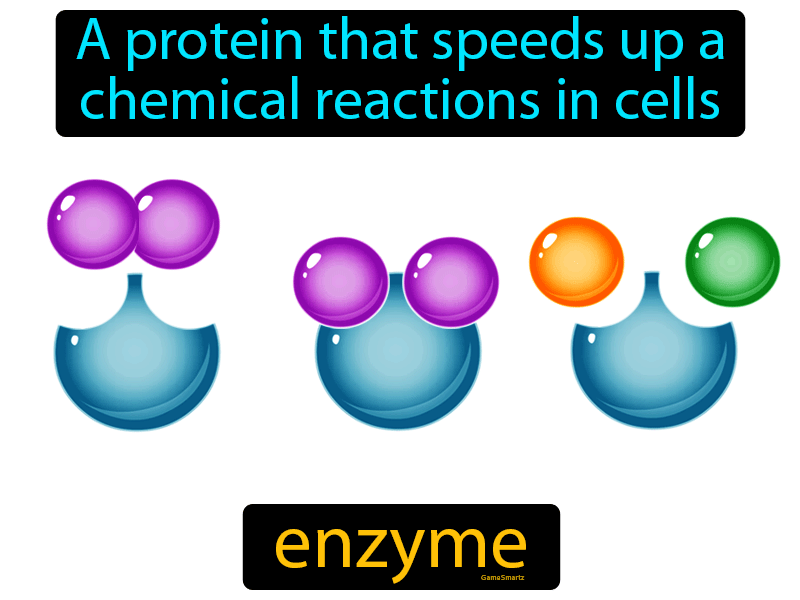
In doing so, they lower the amount. In biochemistry, a synthase is an enzyme that catalyses a synthesis process.

Often they are compartmentalized in the nucleus , on the cell membrane , or in subcellular structures. Sometimes, any monosaccharide that can be converted into glucose can enter into the glycogenesis pathway including some.
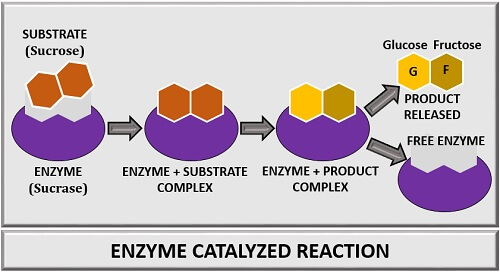
Artificial gene synthesis is the process of synthesizing a gene in vitro without the need for initial template dna samples. Protein synthesis is a process of synthesizing proteins in a chain of amino acids known as polypeptides.
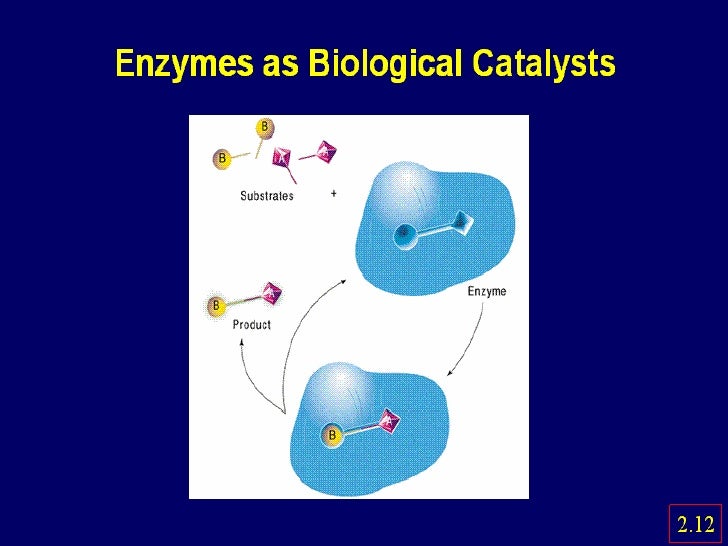
Process where substrates are converted into more complex products in living organisms. Enzymes perform a number of biochemical reactions, including oxidation, reduction, hydrolysis, etc.

As enzymes are proteins, their synthesis begins like above. Protein synthesis is a process of synthesizing proteins in a chain of amino acids known as polypeptides.

Have a single rna polymerase. The synthesis of some enzymes can be induced or repressed by the action of specific hormones, substrates, or products so that the enzyme is produced.
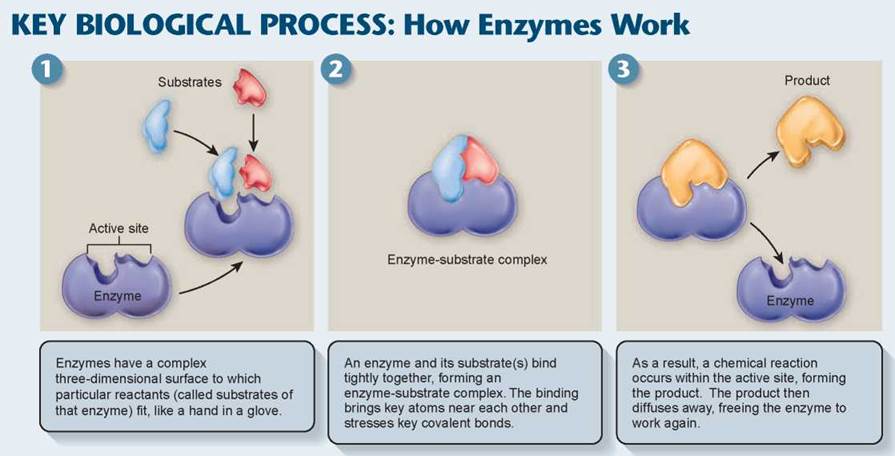
The synthesis of some enzymes can be induced or repressed by the action of specific hormones, substrates, or products so that the enzyme is produced. Enzyme preparation definition based on common meanings and most popular ways to define words related to enzyme preparation.

From wikipedia, the free encyclopedia. Cells regulate their metabolic activities by controlling rates of enzyme synthesis and degradation and by adjusting the activities of specific enzymes.

It takes place in the ribosomes found in the cytosol or those attached to the rough endoplasmic reticulum. Enzymes synthesis inhibited by the addition of corepressor molecules are termed as repressible enzymes:
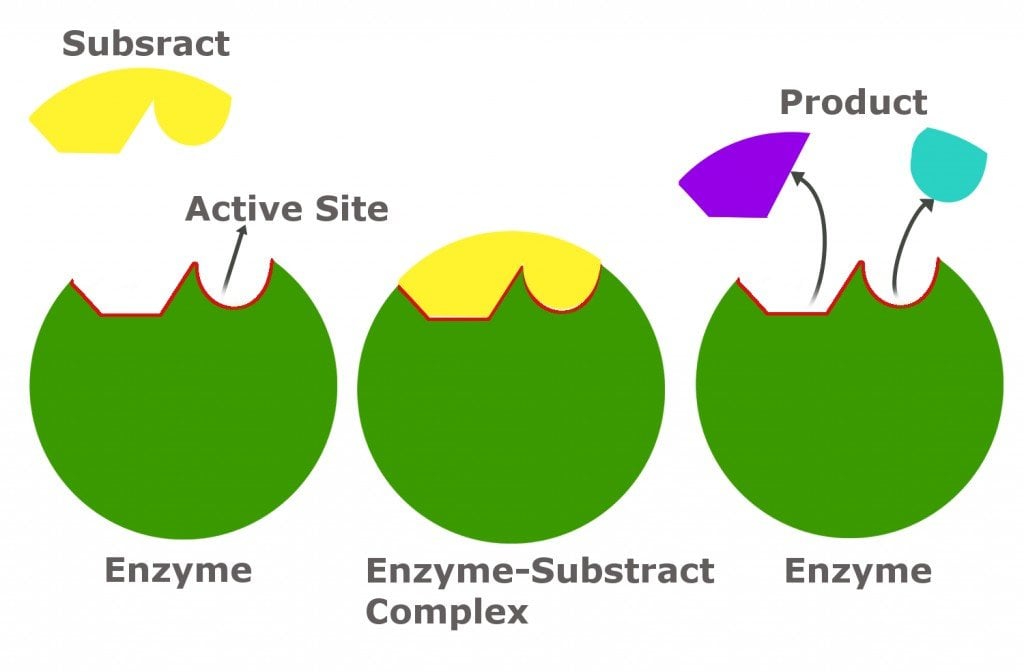
An enzyme's amino acid sequence is determined by a specific gene in the cell's nucleus. Have a single rna polymerase.

O information for the synthesis of enzyme is carried by dna. Under the original definition, synthases do not use energy from nucleoside triphosphates (such as atp, gtp, ctp, ttp, and utp), whereas synthetases do use nucleoside triphosphates.

Mankind may be crooked timber, as kant put it, uniquely susceptible to ignorance and misinformation, but it's an article of faith that. Atp synthase is the enzymes involved in the synthesis of energy.
Enzymes Bind Temporarily To One Or More Of The Reactants — The Substrate(S) — Of The Reaction They Catalyze.The glycogenesis pathway involves several specific enzymes that are required to cause these conversions. Transcription is the process of creating an mrna template from dna, which encodes the sequence of amino acids in the form of a trinucleotide code and serves as a template. Sometimes, any monosaccharide that can be converted into glucose can enter into the glycogenesis pathway including some.
Sites Of Enzyme Synthesis O Enzymes Are Synthesized By Ribosomes Which Are Attached To The Rough Endoplasmic Reticulum.From wikipedia, the free encyclopedia. Dehydration synthesis definition dehydration synthesis refers to the formation of larger molecules from smaller reactants, accompanied by the loss of a water molecule. The synthesis of some enzymes can be induced or repressed by the action of specific hormones, substrates, or products so that the enzyme is produced.
Some Enzymes Are Not Produced By Certain Cells, And Others Are Formed Only When Required.It is the process in which ribosomes in the cytoplasm or er synthesize proteins. Enzymes are responsible for the movement of ions across the plasma membrane. As enzymes are proteins, their synthesis begins like above.
In Doing So, They Lower The Amount.It is the second part of the central dogma in genetics. Many reactions involving dehydration synthesis are associated with the formation of biological polymers where the addition of each monomer is accompanied by the elimination of one. The production of enzymes by activity including combining chemicals, which is the definition of synthesis.
A Hydrogen (H) Is Removed From One Amino Acid, And An Oxygen And.O information for the synthesis of enzyme is carried by dna. Process where substrates are converted into more complex products in living organisms. Link to discussion of these ribozymes.).


Komentar
Posting Komentar